
Get Involved
Your support can change lives. Join us in creating a world where survivors are supported and violence is no longer tolerated.
Ways to Make a Difference
Whether through time, resources, or expertise, there's a meaningful way for you to contribute
Volunteer
Share your time and skills to directly support survivors and our programs.
Donate
Financial contributions help us provide essential services to those in need.
Partner
Organizations can amplify our impact through strategic partnerships.
Become a Volunteer
Our volunteers are the heart of our organization. Whether you have a few hours a month or can commit to regular involvement, your contribution makes a real difference.
Help with crisis hotline, peer support groups, or administrative tasks
Assist with fundraising events, awareness campaigns, and community programs
Offer expertise in counseling, legal aid, marketing, IT, or other professional areas
Volunteer Requirements:
- 18 years or older
- Background check (for safety of survivors)
- Completion of trauma-informed care training
- Commitment to confidentiality and ethical conduct

Make a Donation
Your financial support helps us provide essential services to survivors and their families. Every contribution, no matter the size, makes a meaningful impact.
R500
Provides crisis counseling session for one survivor
R1,500
Supports a family with emergency shelter for one week
R5,000
Funds a complete school awareness program
How Your Donation Helps:
- Provides free counseling and support services to survivors
- Maintains our 24/7 crisis hotline
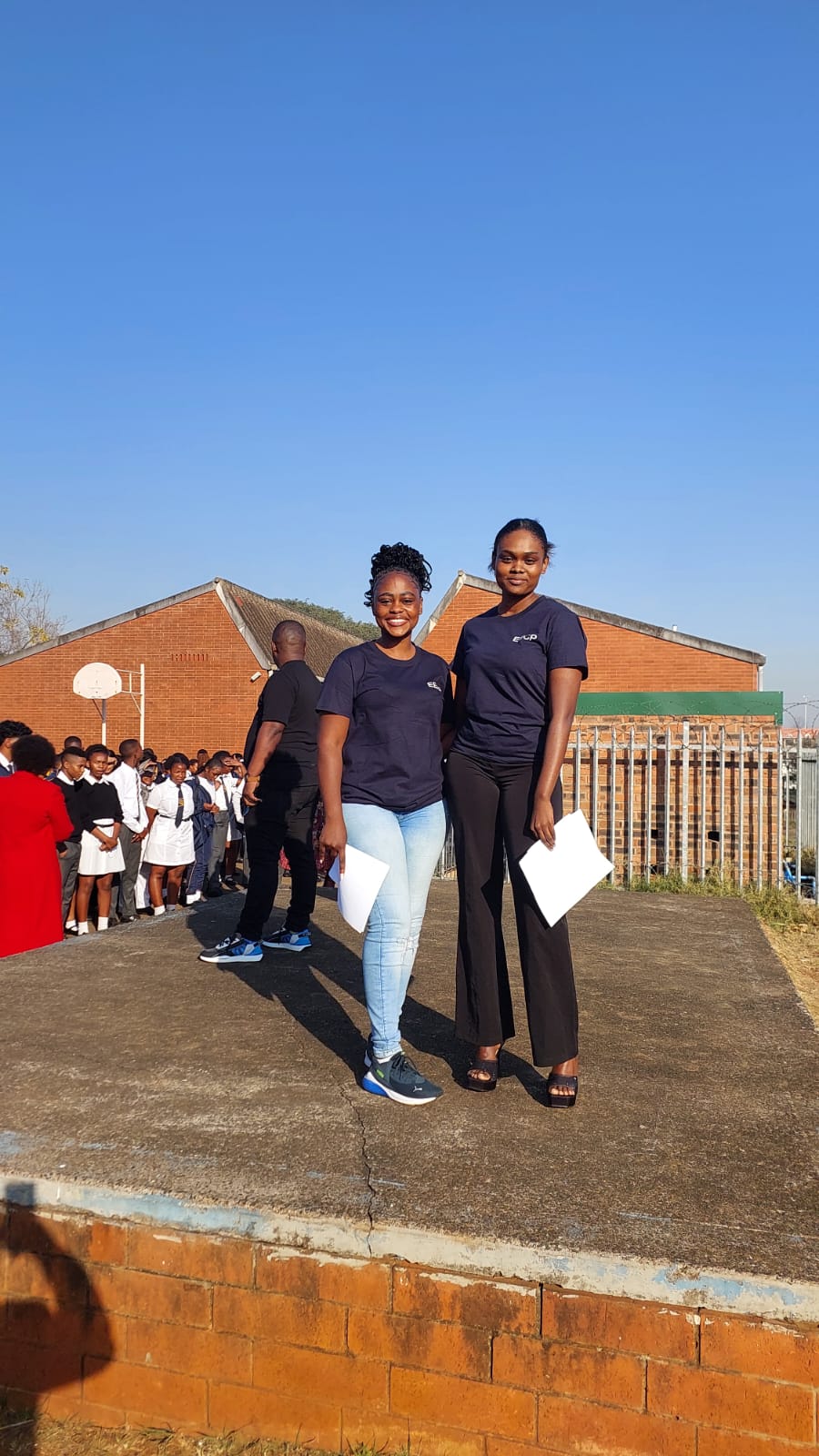
- Funds education and prevention programs in schools
- Supports safe shelter and practical assistance for families
All donations are tax-deductible. We are a registered non-profit organization.
Partner With Us
Organizations, businesses, and institutions can amplify our impact through strategic partnerships.
Corporate Partnerships
Workplace giving programs, employee volunteering, and cause marketing campaigns
Healthcare Providers
Referral networks, training collaborations, and integrated care models
Educational Institutions
School programs, research partnerships, and student internship opportunities
Community Organizations
Joint programs, resource sharing, and coordinated community response